Compendium of case studies
This activity not only kicks off Work Package 4 but also stands as a key deliverable for the project. It involves an in-depth investigation into European railway lines that have been successfully reinvented for tourism. By comparing various routes across countries and synthesizing our findings, we aim to uncover exactly what makes these railways thrive across the continent.
Over the past 20 years, Europe’s conventional railway network has lost thousands of kilometers in depopulated rural areas due to underinvestment and the prioritization of high-speed rail. However, because these lines remain crucial for rural connectivity, social equity, and heritage preservation, initiatives like the TOUR&RAIL project propose using tourism as a strategic catalyst to increase passenger numbers, revitalize these low-traffic infrastructures, and prevent their permanent closure.
Low-traffic railway lines across Europe
The success of tourist services on low-traffic railway lines relies on well-maintained infrastructure, attractive territorial capital, and the active involvement of local communities. After analyzing the Spanish conventional network—finding the majority of these lines suitable for tourism—the TOUR&RAIL project developed a handbook of governance models. This guide aims to foster collaboration between public and private stakeholders to empower rural territories, ensure the success of these initiatives, and secure the long-term viability of the railway infrastructure.
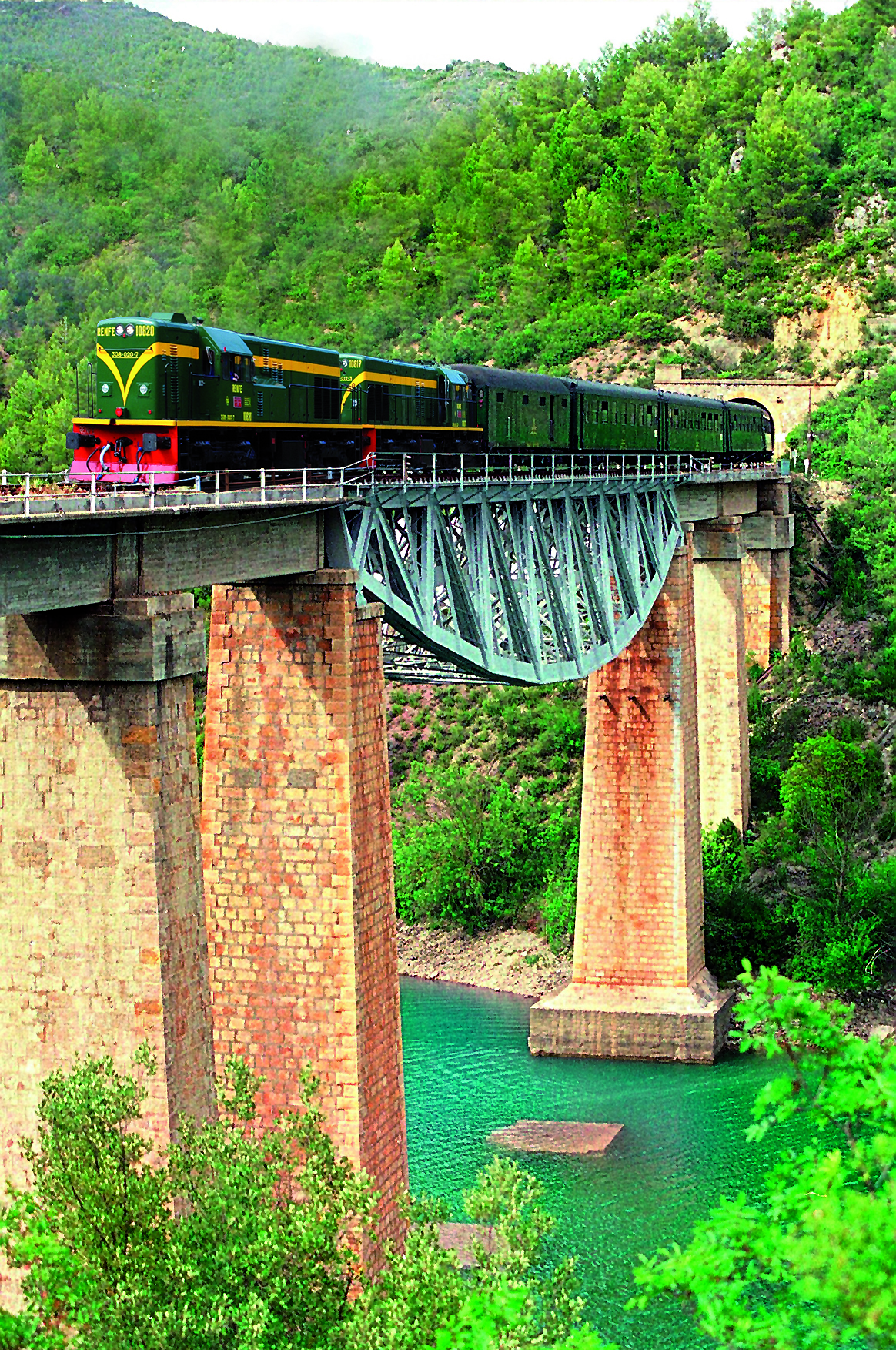
Tren des Llacs en Cataluña, España
Selection methodology
The second chapter details the comprehensive selection process used to identify low-traffic European railway lines where tourism has been instrumental in their preservation. Through two rounds of surveys distributed to UIC experts and groups like TopRail and CRTS, the research established clear inclusion criteria: rural routes with low passenger volumes and clear tourism potential, explicitly excluding high-speed or purely industrial lines. Following validation by operators, 26 lines across 15 countries were selected—with Spain and France featuring the highest numbers. These corridors average 102 kilometers in length, typically run fewer than 16 daily passenger trains, and are largely characterized by narrow-gauge (40%) and non-electrified (over 50%) tracks.
The survey analysis reveals that while tourism’s influence on funding decisions is evenly split across high, medium, and low levels, its effect on ridership is undeniable. An overwhelming 92.3% of experts reported a positive impact on passenger demand, with the most scenic and highly attractive routes experiencing growth spikes of over 50%. This surge in popularity has directly driven service improvements in 53.8% of the cases, leading to increased train frequencies, the introduction of seasonal tourist services, and enhanced station accessibility. Crucially, the findings indicate that operational adjustments alone are often sufficient to revitalize a route, sidestepping the need for massive infrastructure upgrades.
Finally, the research underscores that tourism does not replace regular operations but rather operates in harmony with daily passenger and freight transport, ensuring the railway maintains a multifunctional role in the region. While intermodal accessibility (connections to buses, parking, or bikes) tends to reflect broader national mobility policies rather than the specific needs of individual lines, the economic benefits remain universal. Every surveyed partner confirmed that these tourism initiatives have generated a profoundly positive impact on local economies—boosting hospitality employment, improving access to rural towns, and firmly establishing the railway as a powerful catalyst for sustainable regional development.
The compendium
This compendium compiles successful European examples of low-traffic railway lines revitalized by tourist services, validating the TOUR&RAIL project’s theses on the importance of infrastructure conservation, territorial heritage, and social involvement. The document is designed to serve simultaneously as an inspiring guide for travelers and promoters of new services, and as a rigorous technical reference to help shape the rural development and railway planning policies of European institutions.
Below is a sneak peek at some of the maps included in the collection. We invite you to dive into the full document via the following link:
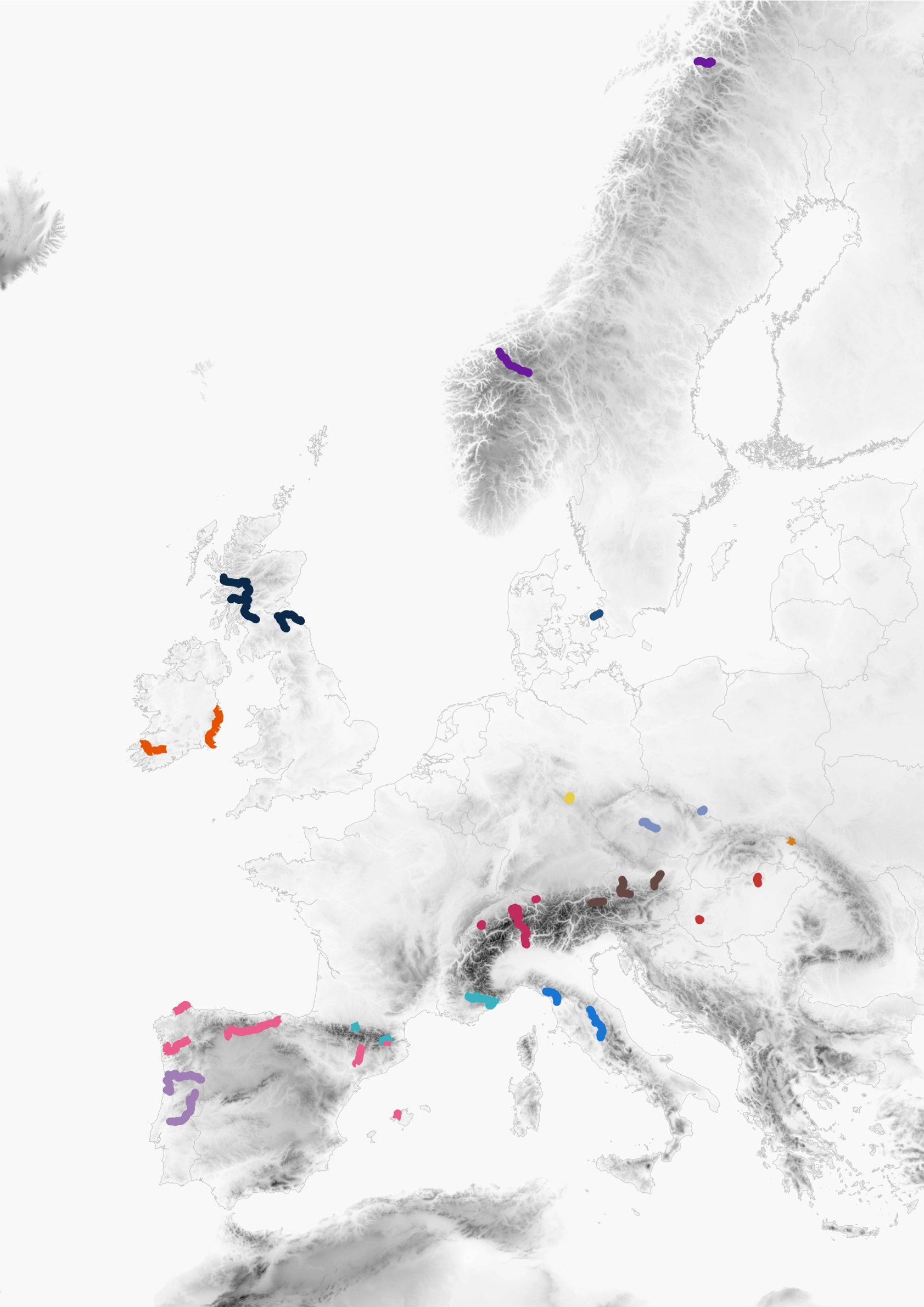
Distribución geográfica de las líneas consideradas en el compendio
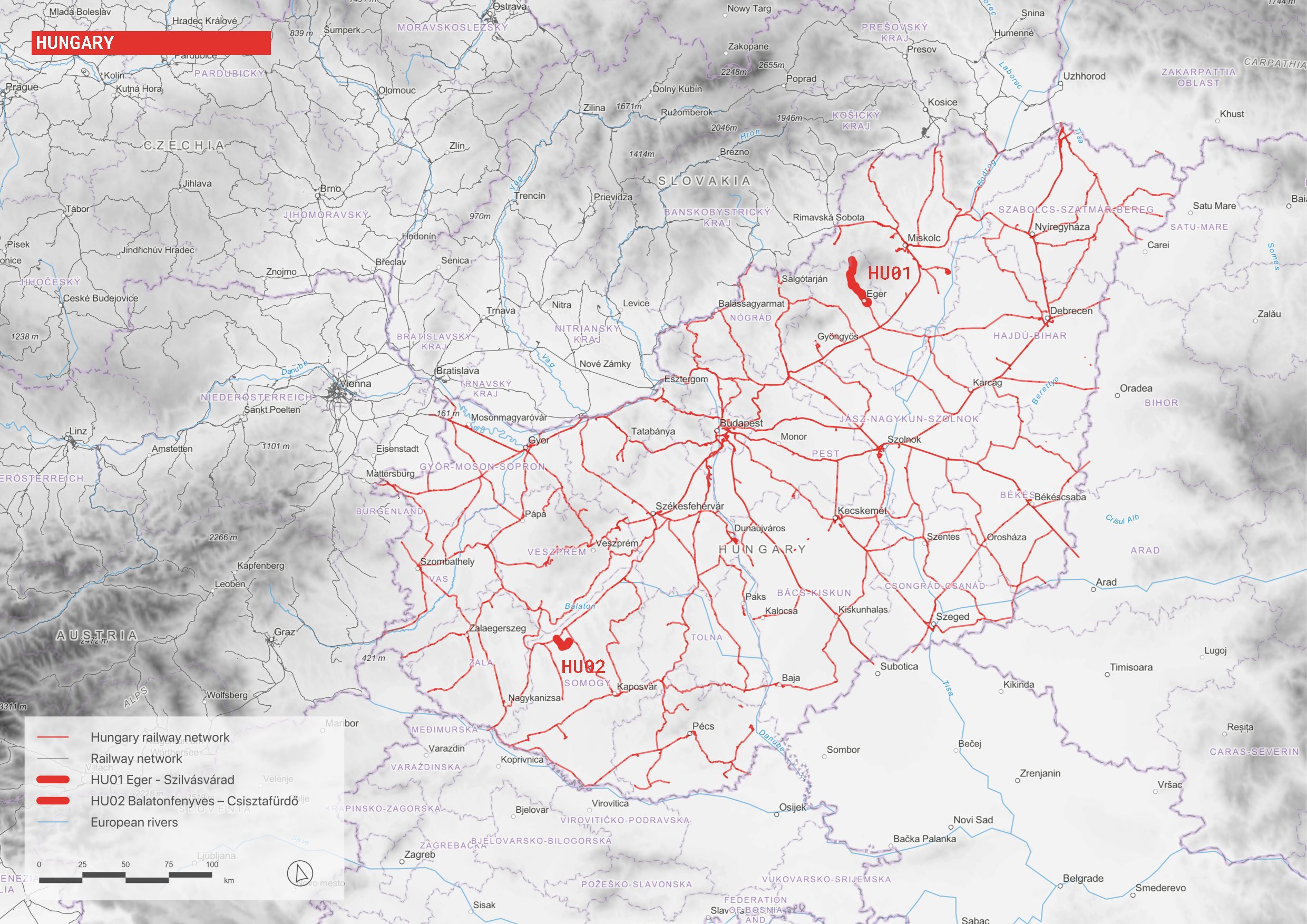
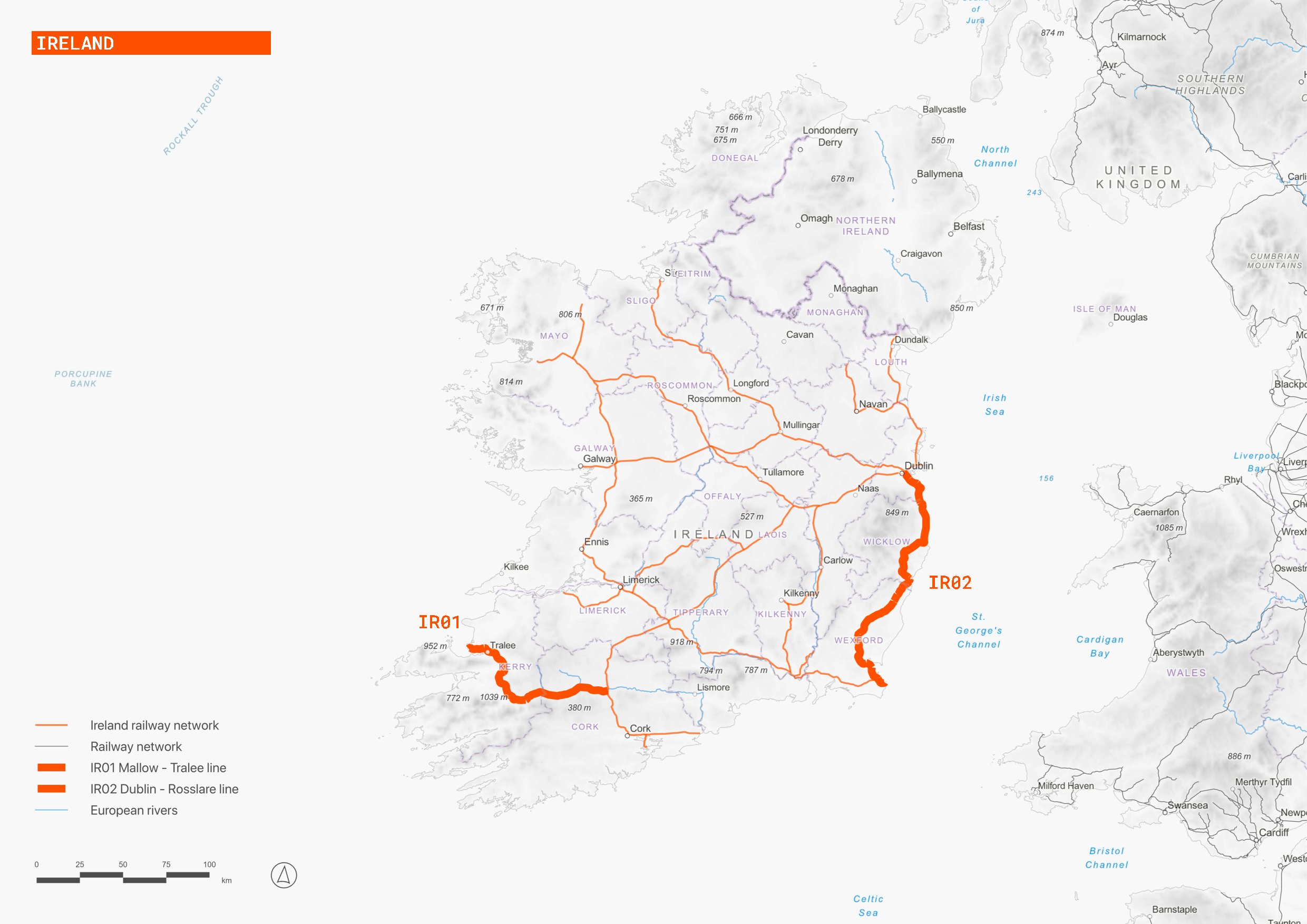
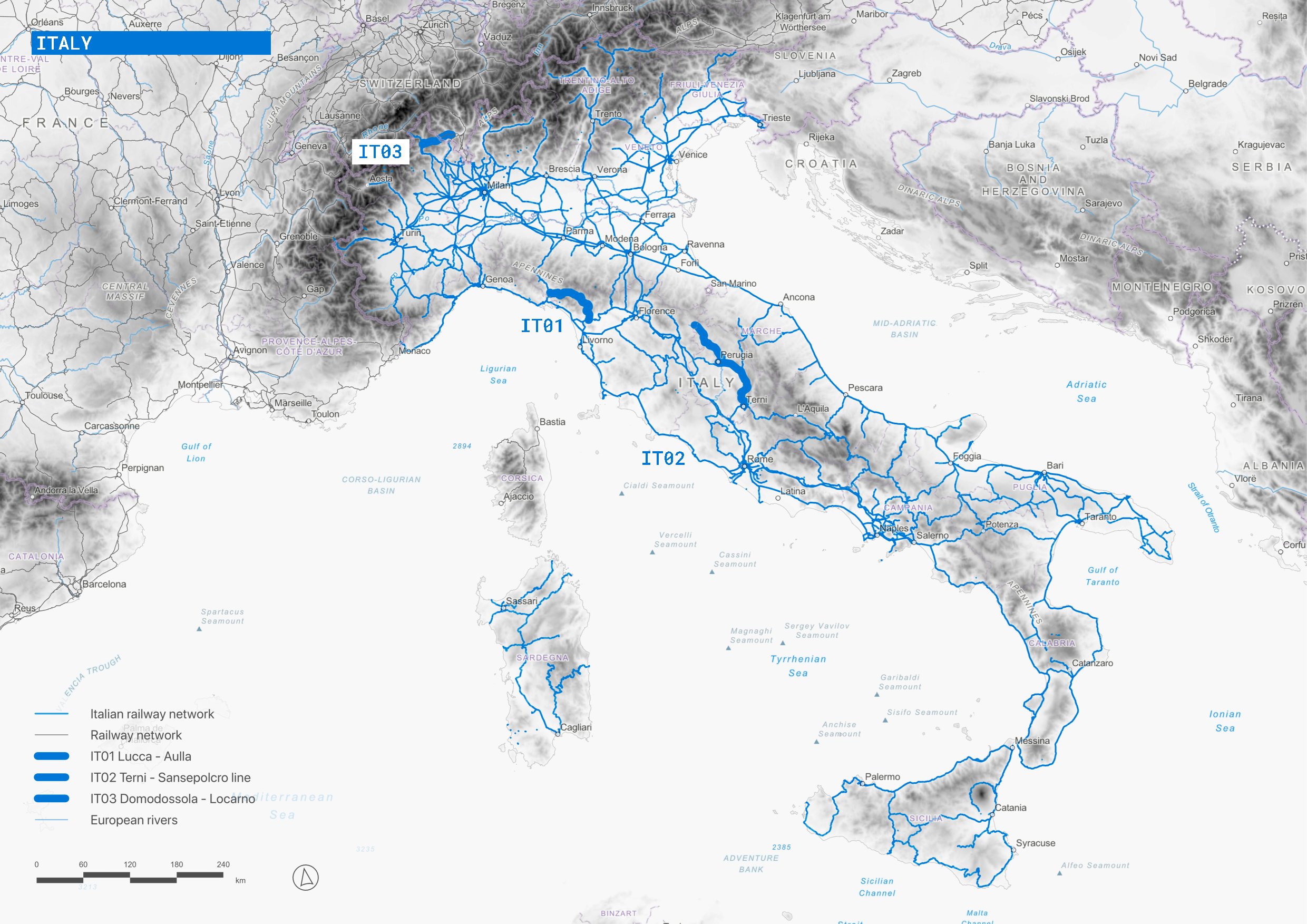
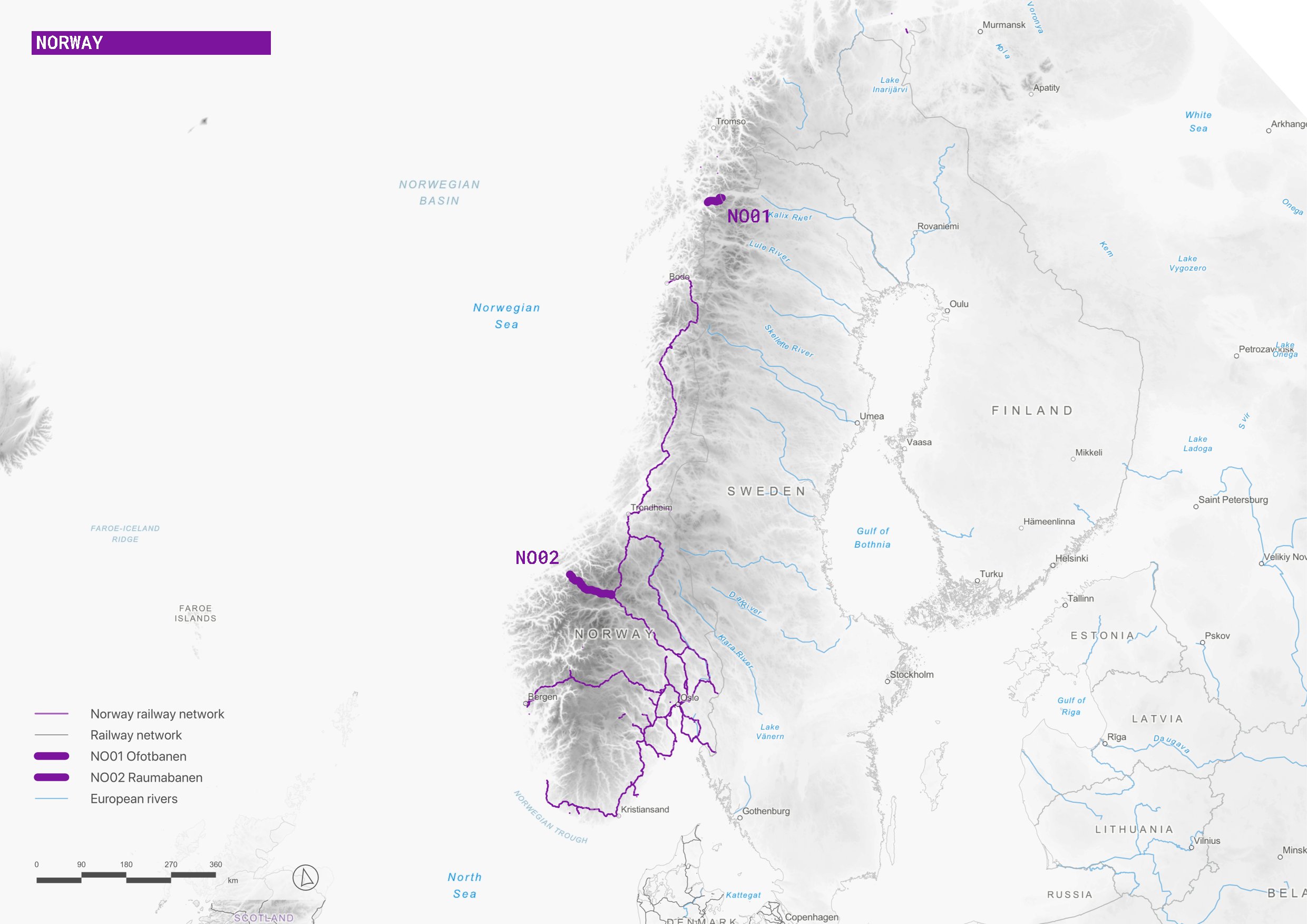
Maps of the railway lines featured in the following countries: Austria, Czech Republic, Denmark, Spain, France, Germany, Hungary, Ireland, Italy, Norway, Portugal, Slovakia, Switzerland, and the United Kingdom:
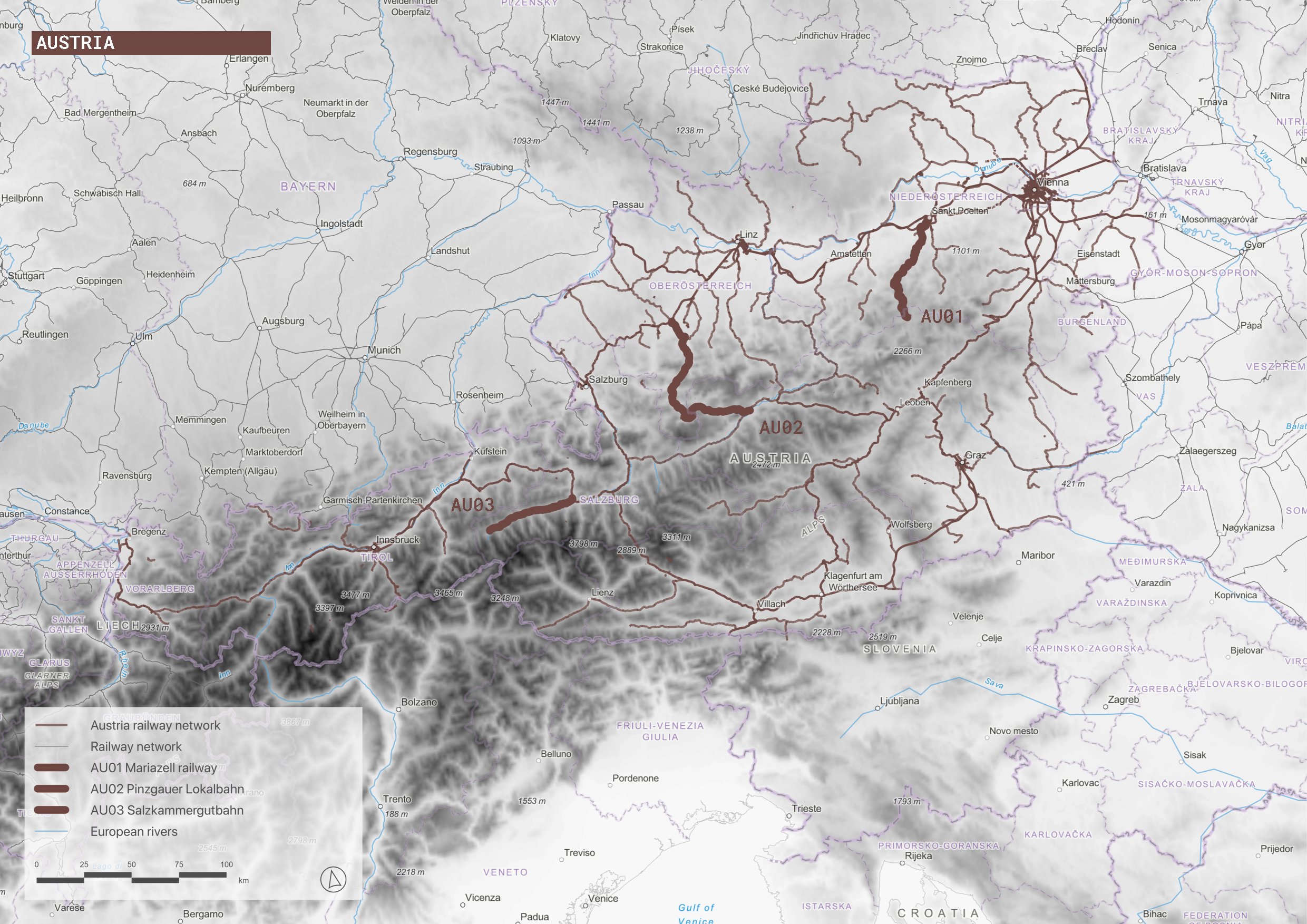
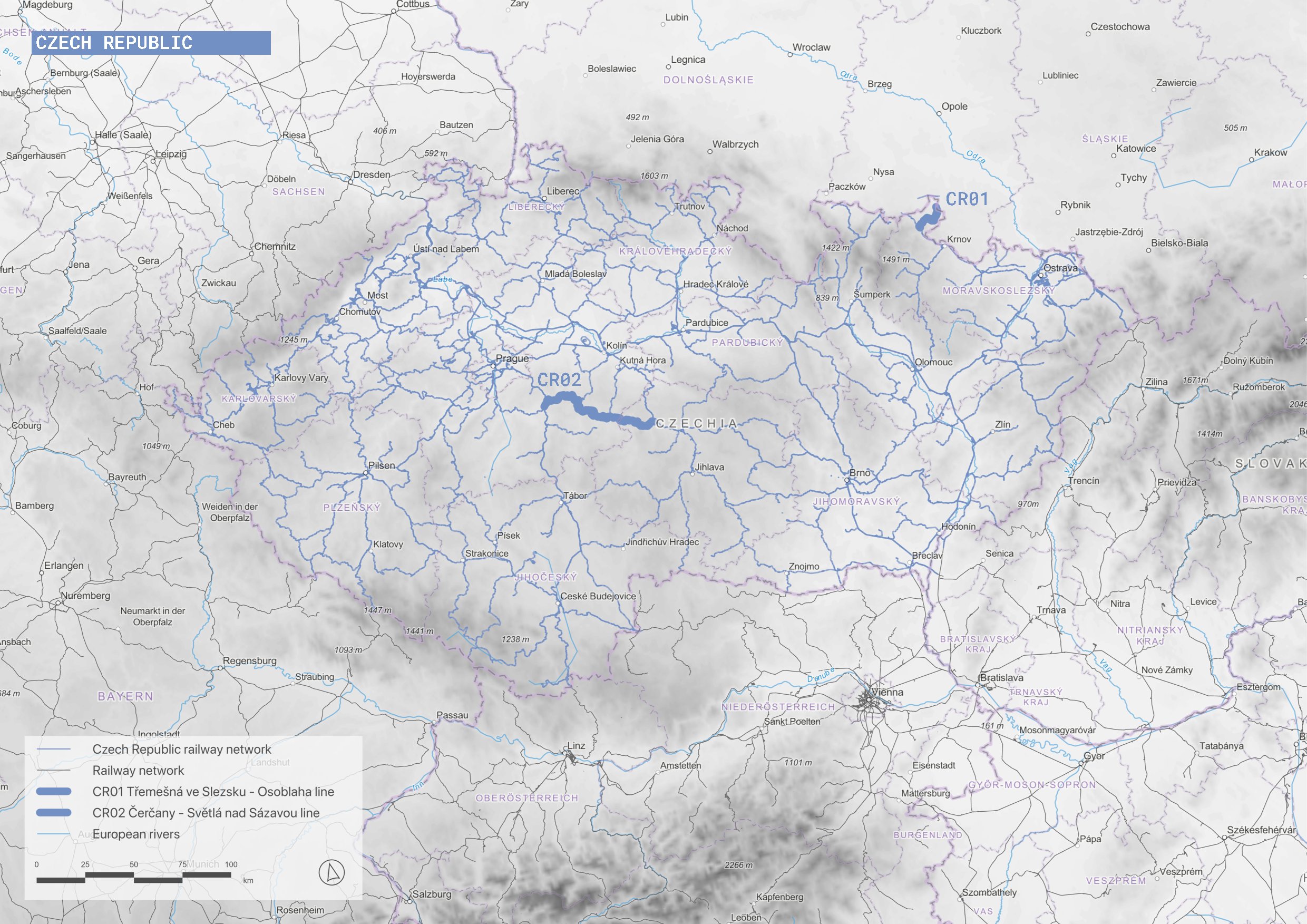
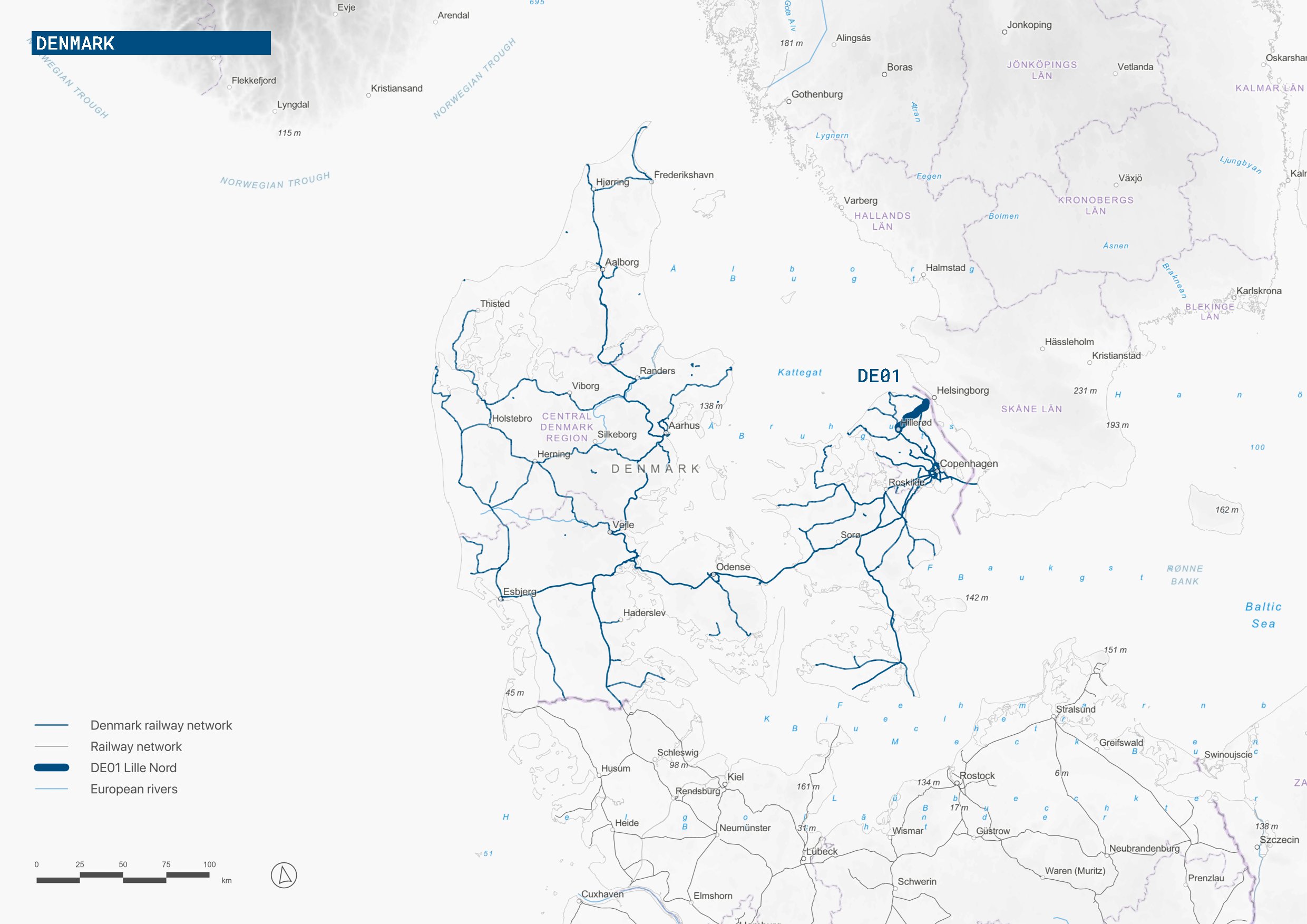
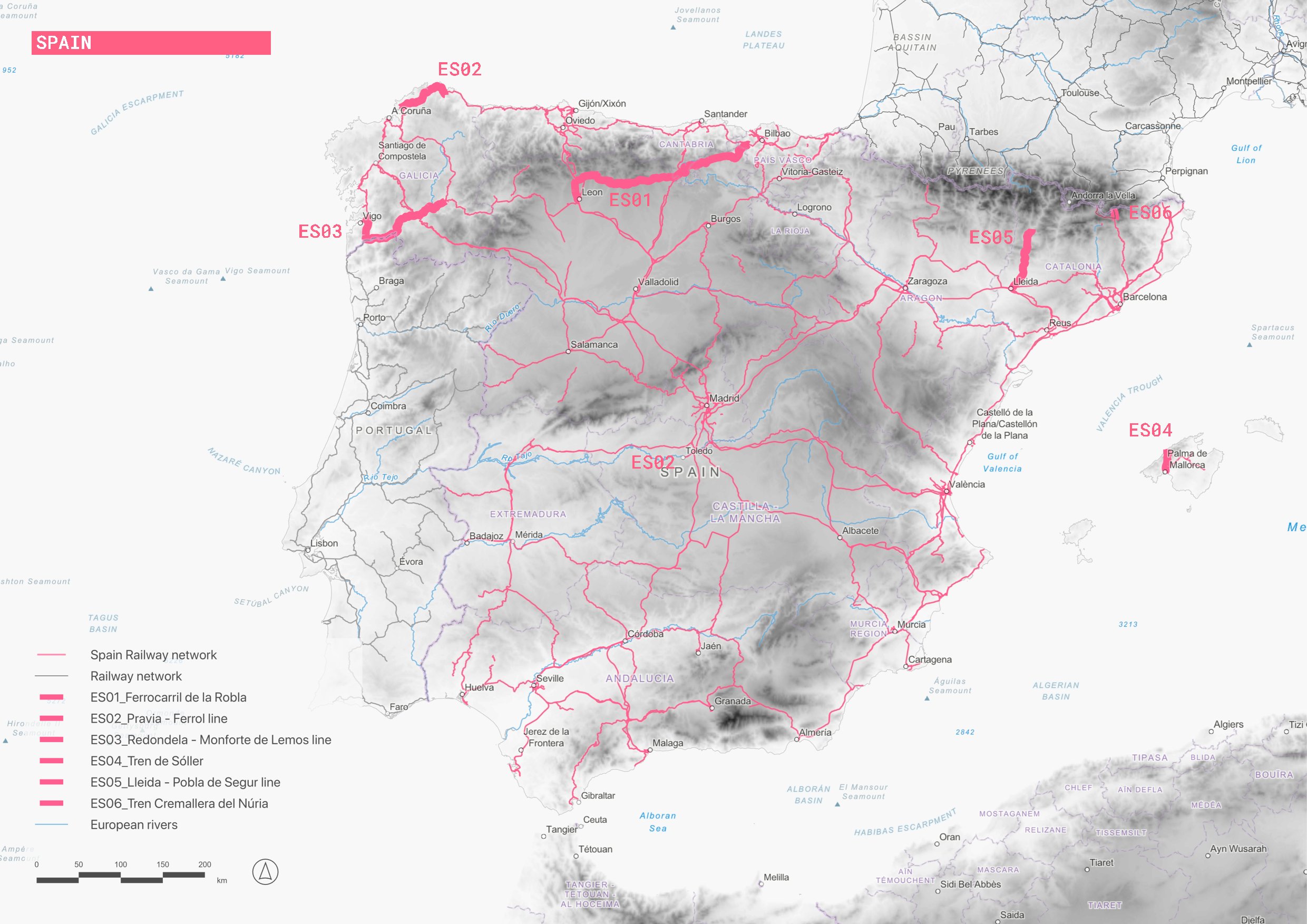
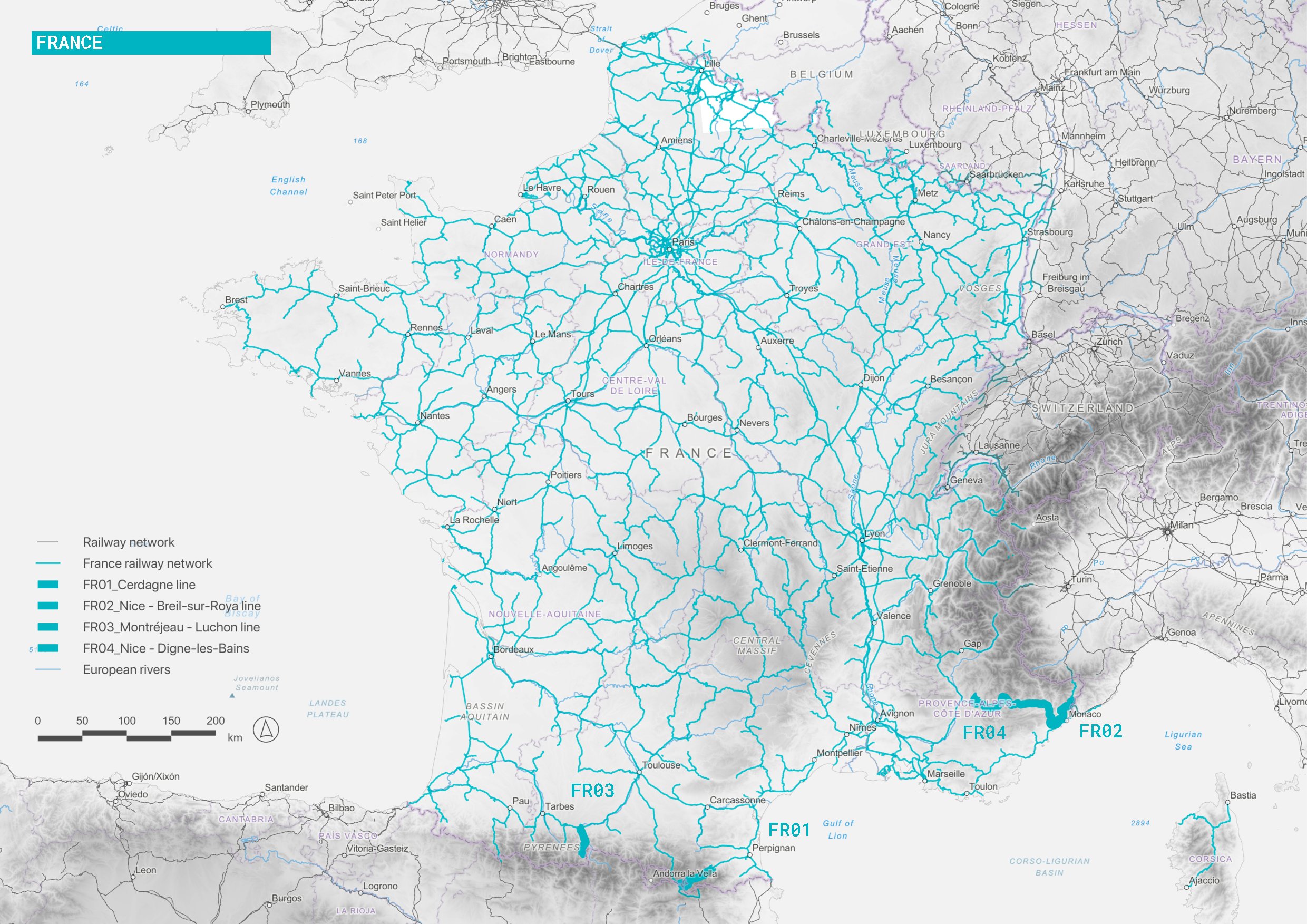
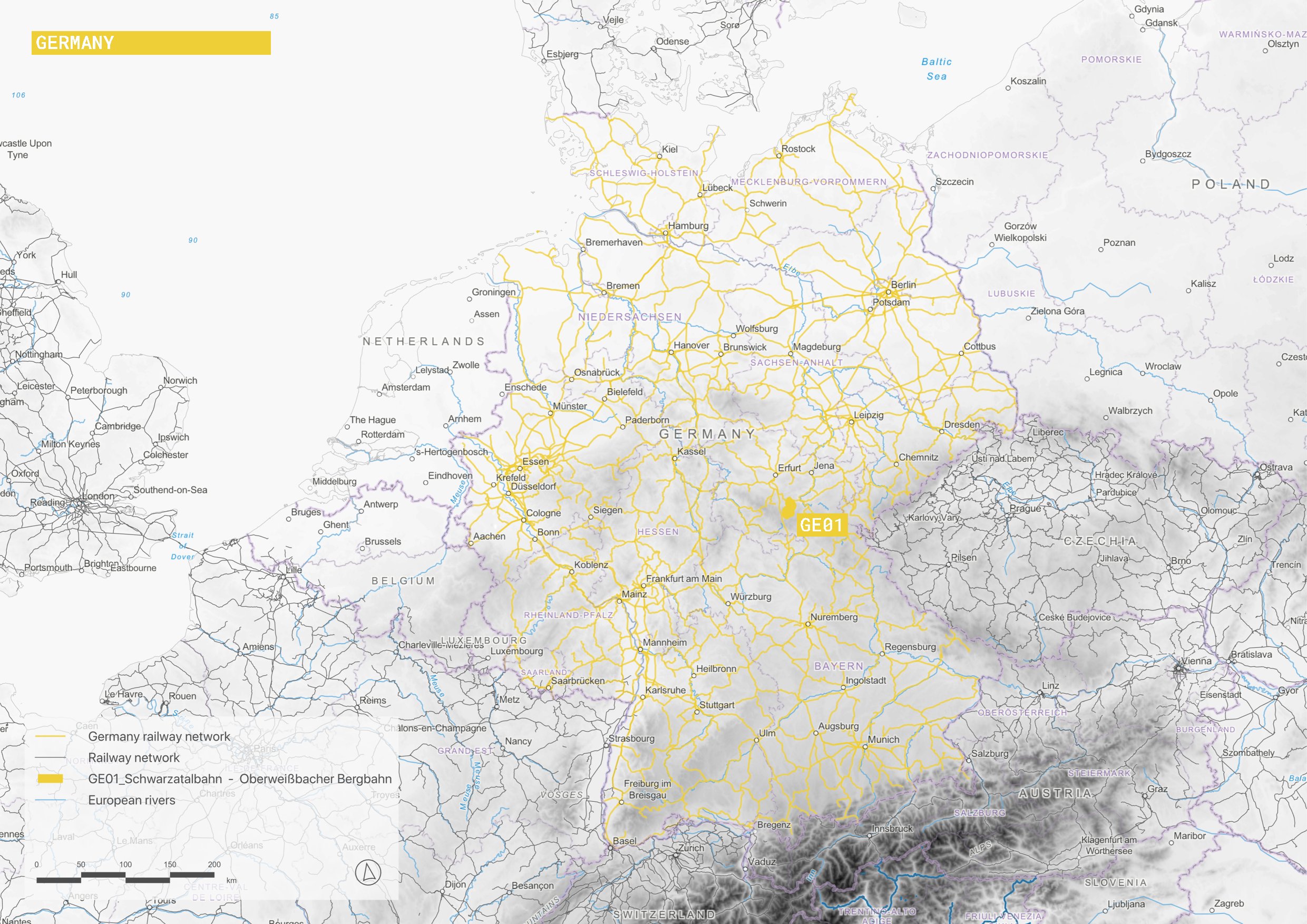
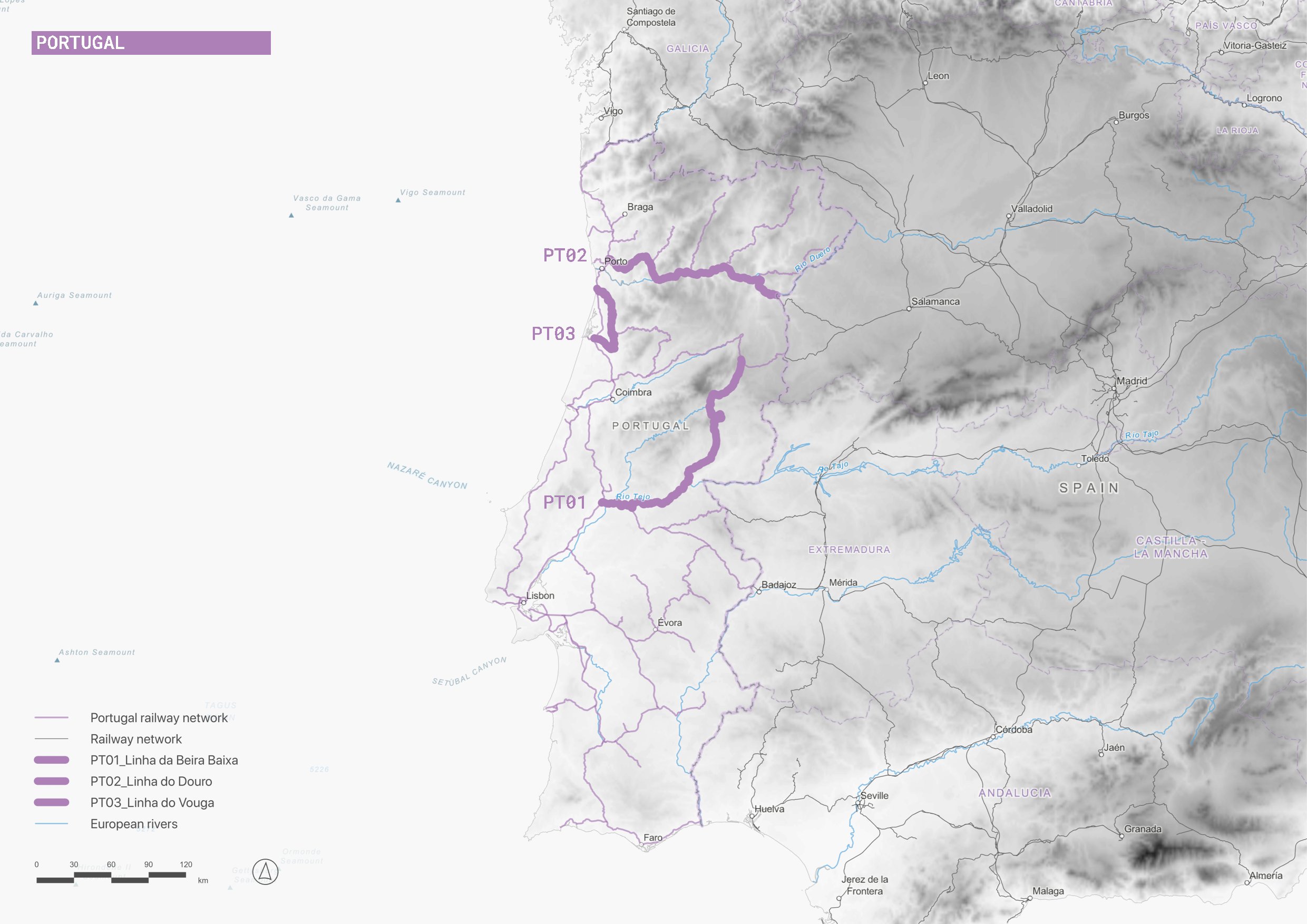
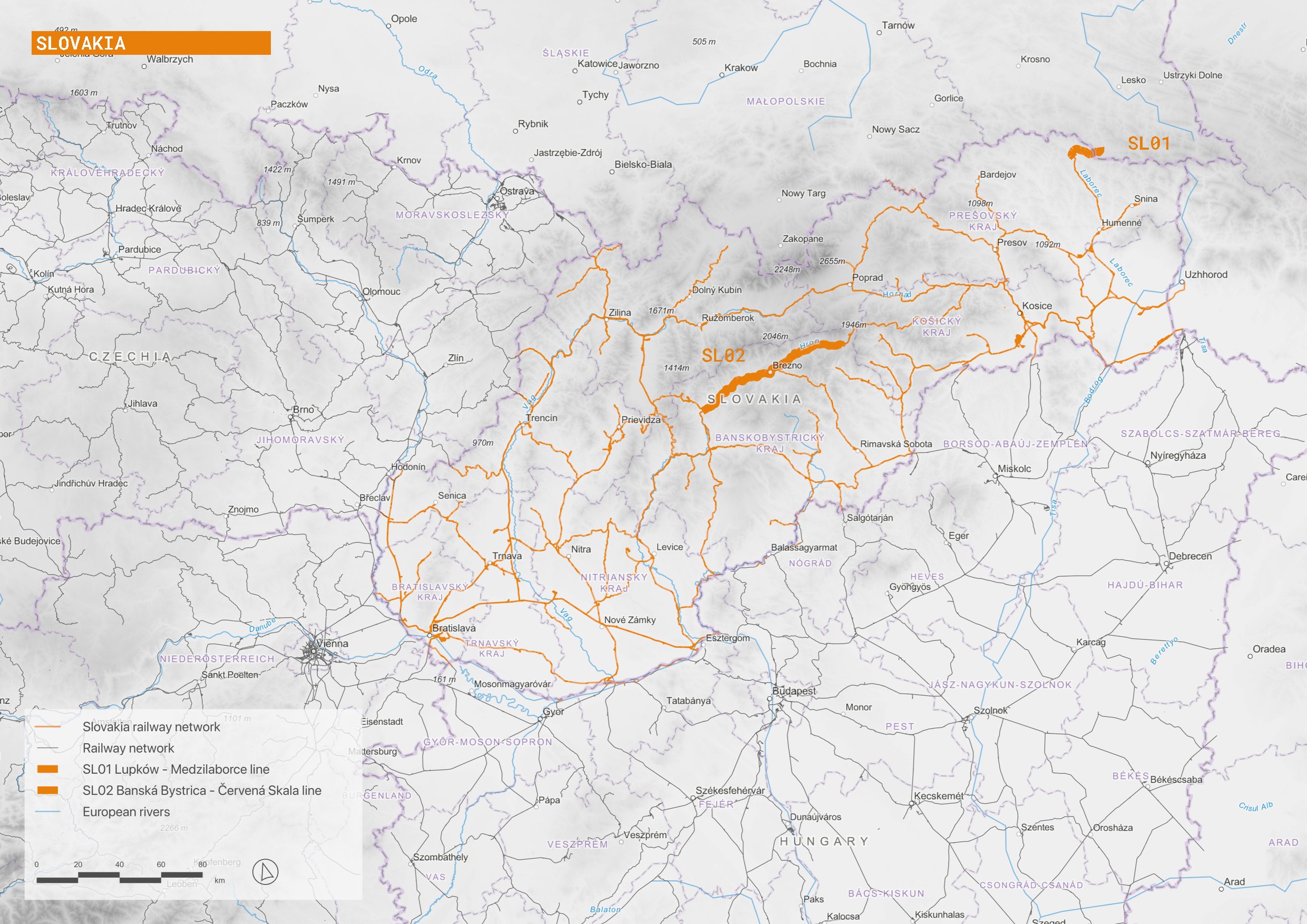
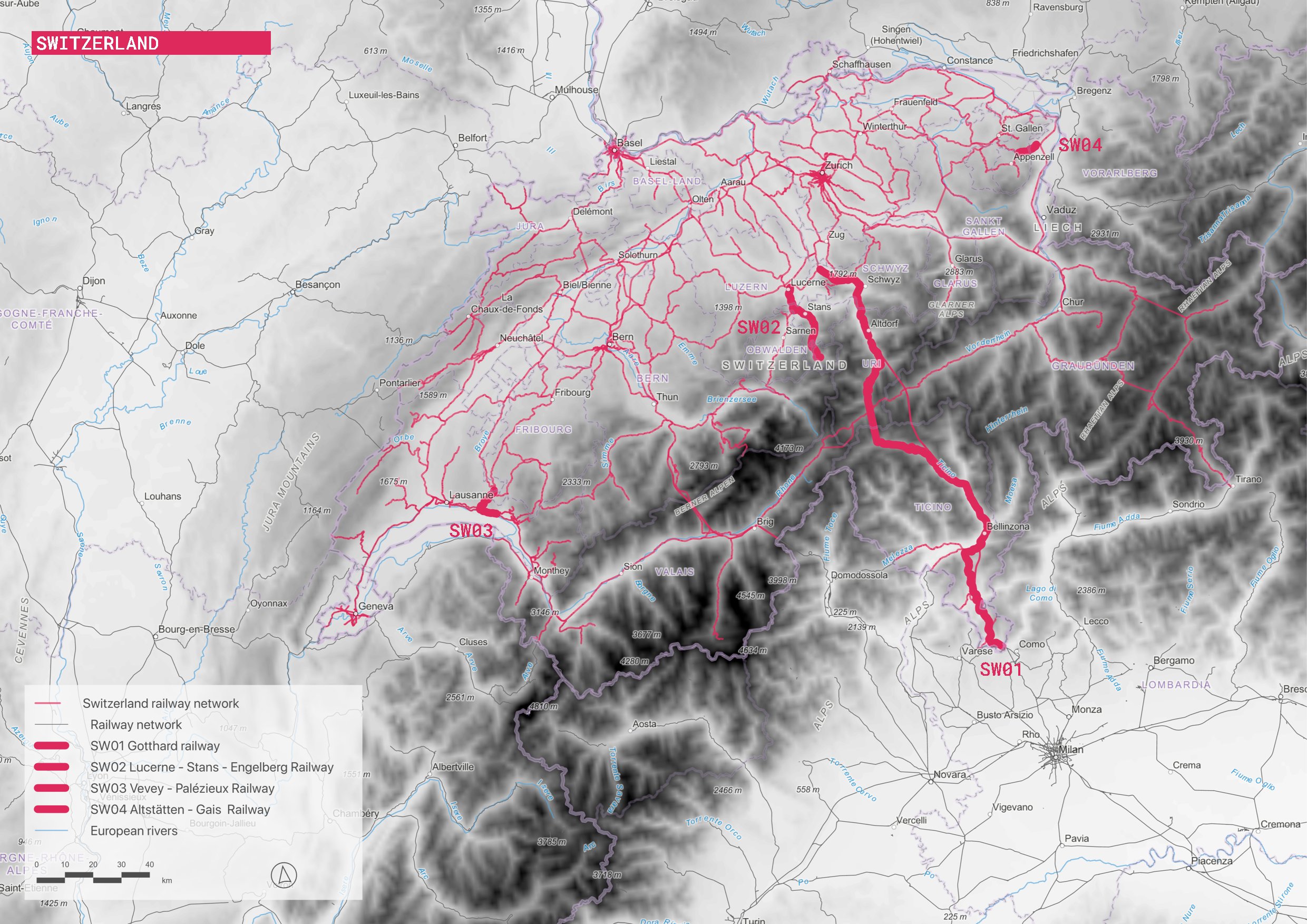
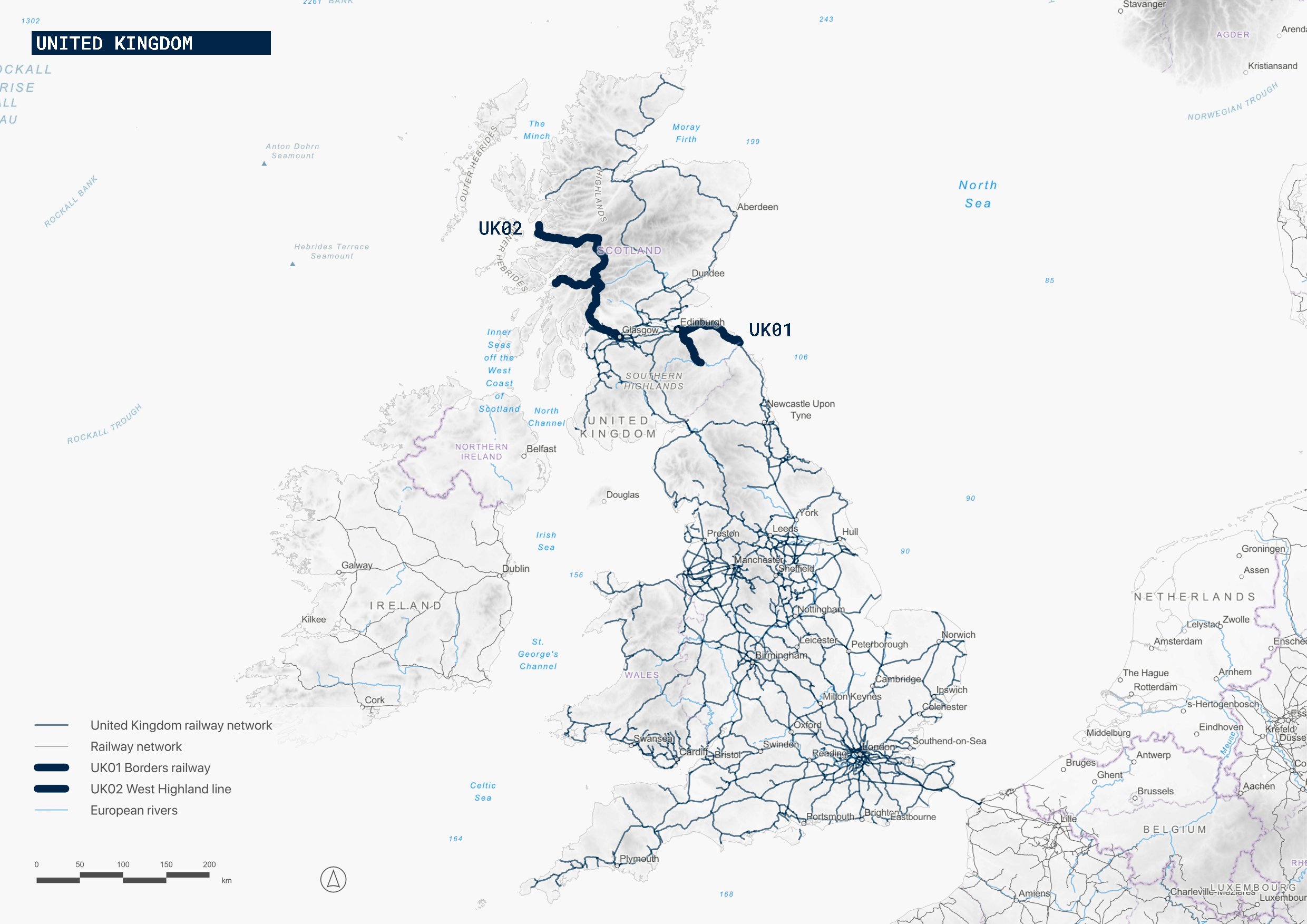
This work is the result of a collaboration between the Universidad Politécnica de Madrid and the International Union of Railways (UIC), brought to life with funding from European Erasmus+ Projects.

Salzkammergutbahn in Austria

