Project management is a cross-cutting task that ensures control of project deadlines and budget.
It also ensures the quality of the activities and products resulting from each work package and their proper dissemination through this website and social networks or dissemination events designed for this purpose.
All partners have an essential role in the management of the project, but it is the UPM team who, as project leader, coordinates the entire work package.
We start with the Kick off Meeting, a key meeting to get the project off to a good start. A meeting held at the headquarters of the lead partner, in Madrid, which brought together representatives of each of the partners. In this meeting, the work bases were established: internal coordination and communication rules; the schedule and budget were approved; a detailed distribution of the quality control and communication tasks was made and the WP02 work lines were shown.
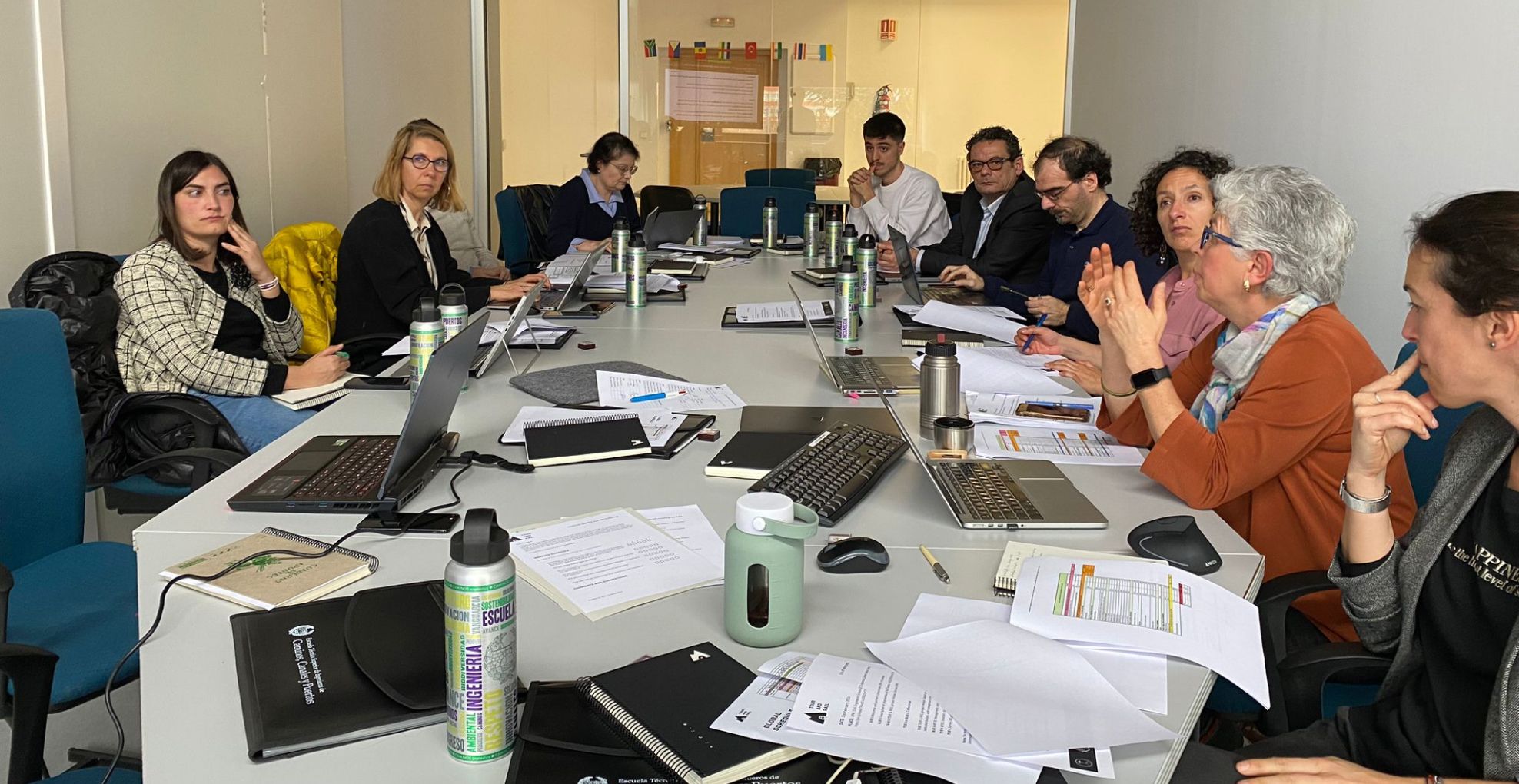
El 21 de febrero tuvo lugar la reunión inicial (Kick-off meeting) que dio comienzo al proyecto en la Escuela Técnica Superior de Ingenieros de Caminos, Canales y Puertos de la Universidad Politécnica de Madrid, con la participación de todos los socios del consorcio, tanto de manera presencial como online
This second Work Package focuses, on the one hand, on developing a tool to analyze the current state of low-traffic lines across Spain, drawing on a mix of both quantitative and qualitative data.
Spain was selected because its territory has long suffered from the “Empty Spain” (España Vaciada) phenomenon, and regional railways have faced the severe consequences of a progressive loss in demand. With many of these routes already closed or at risk of closure, it is essential to assess their current state of conservation to plan potential revitalization initiatives.
On the other hand, this work package seeks to raise awareness among future generations and the general public regarding the challenges of low-traffic railway lines. It highlights their potential to help retain rural populations and structure the territory, provided adequate viability is achieved.
Ultimately, this work package delivers several crucial outcomes for the project’s development: a methodology for analysis, a physical and digital inventory of the lines, and a first-hand fieldwork approach to the cultural, natural, and landscape values that will be central to future work packages. It culminates in a diagnostic activity of a railway line conducted with UPM and UGE students through a “Learning by Doing” framework.
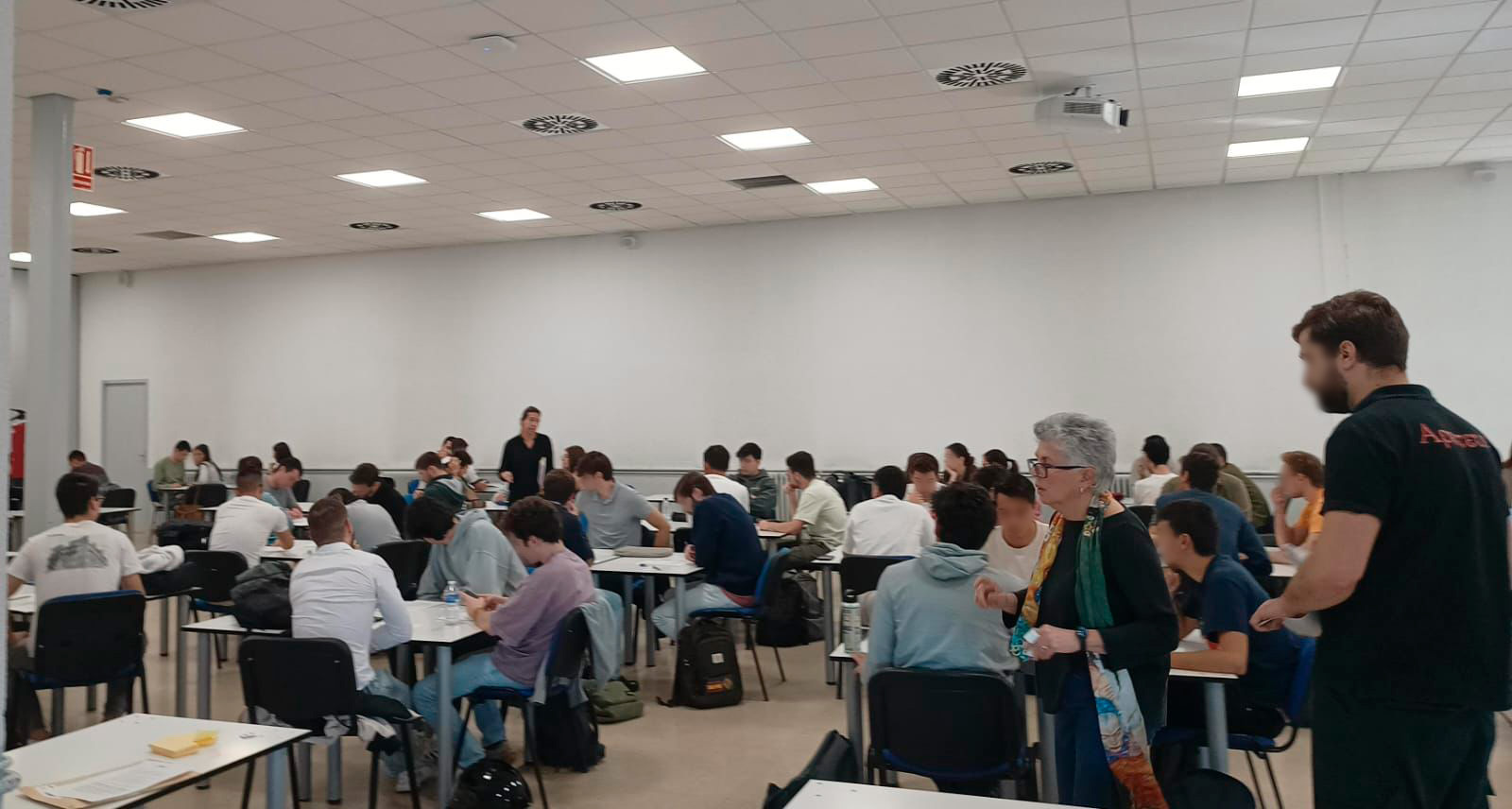
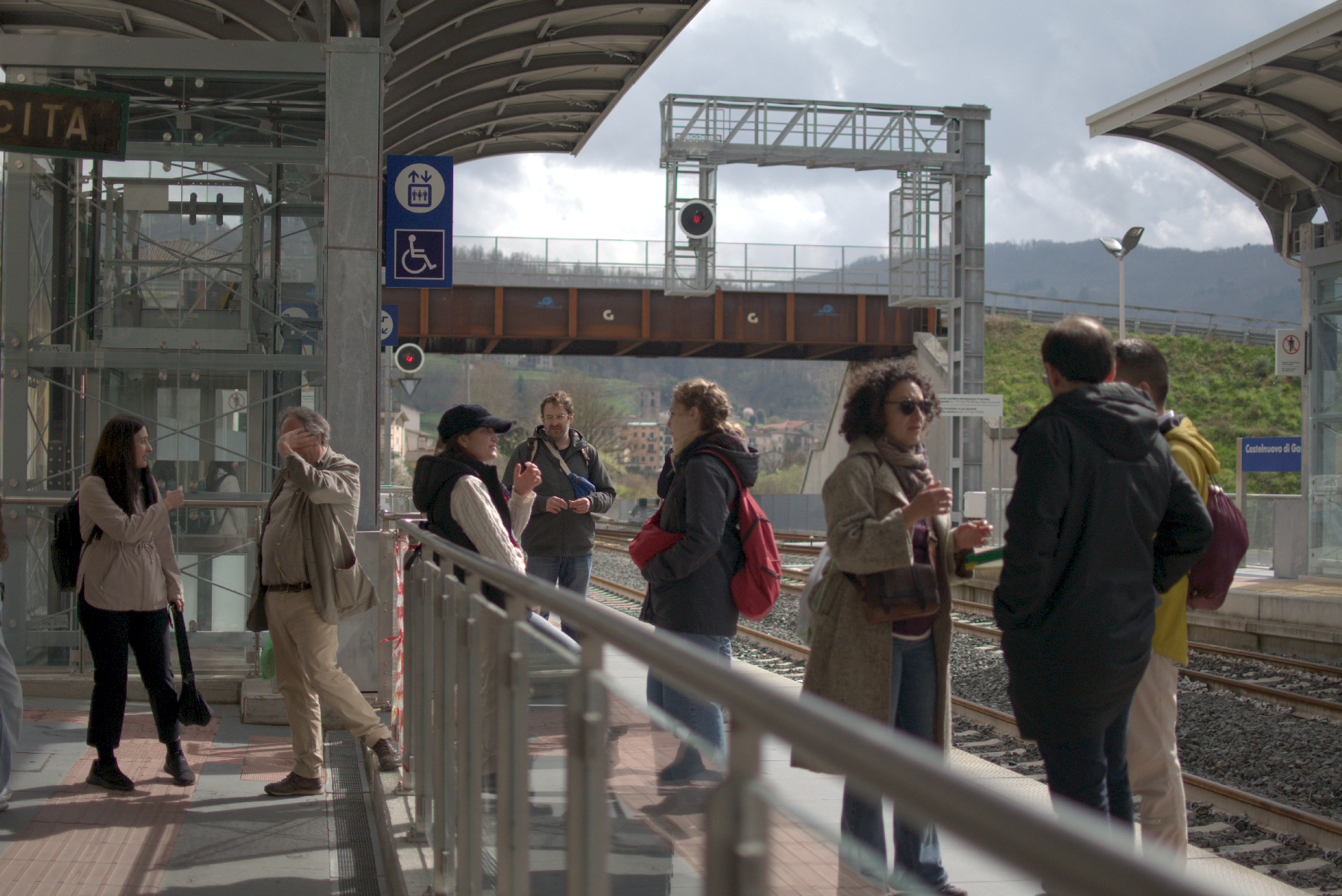
April 18th, we had our first class session of the WP02 learning activity
Thirdly, this work package is driven by three specific objectives. The first is to analyze the social fabric of the regions impacted by these low-traffic lines.
This objective contributes to the project’s ultimate goal: creating an atlas that evaluates the “merit” of a rural area with a low-traffic railway line to be revitalized through tourism. After all, the health of a territory’s social fabric is what truly determines this merit.
The second objective is to describe the sustainable tourism potential of these affected areas, working closely with the first goal to provide a complete picture of a region’s social capital.
Lastly, the third objective bridges the gap between these low-traffic lines and the rich heritage and landscapes of the territories. This aims to combine the findings from WP1 with the preliminary results of this WP—meaning we look holistically at both a region’s tourism potential and the investment actually needed to reactivate the railway running through it.
The crown jewel of this project phase will be an interactive atlas. This platform will illustrate the potential of these territories to be reinvented based on their cultural heritage, directly tying into the low-traffic line inventory from WP2. Achieving this will require a seamless blend of social capital and territorial capital (the cultural, environmental, and scenic values that make a region unique).
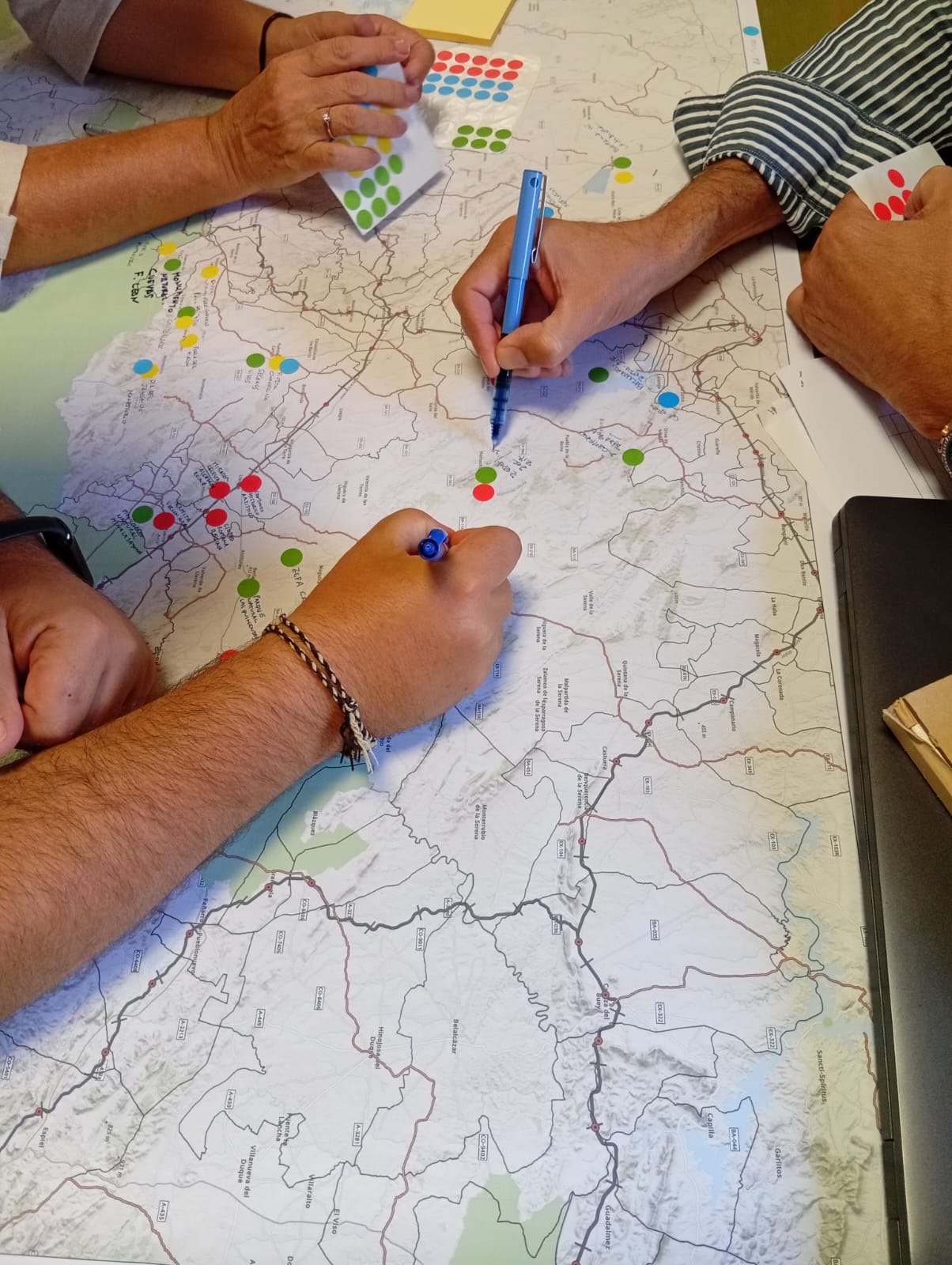
Field work with Local Action Groups
The fourth work package focuses on selecting two low-traffic regional lines with contrasting socio-cultural and demographic profiles. From there, we will compare them side-by-side using the analytical indicators established in WP2 and WP3.
To carry out this selection, we will develop a compendium of case studies, which stands as a key deliverable itself.
The results of this work package are primarily designed to place the project within a European context. First, this is done by drafting the case compendium and establishing analytical indicators, which will largely build upon those defined in earlier work packages. Second, the broad dissemination of these case studies and their analysis constitutes a major outcome. This phase also features a survey of UIC partners, resulting in a versatile document that can be replicated anywhere in the world to help identify low-demand railway lines with high potential for tourism-driven revitalization.
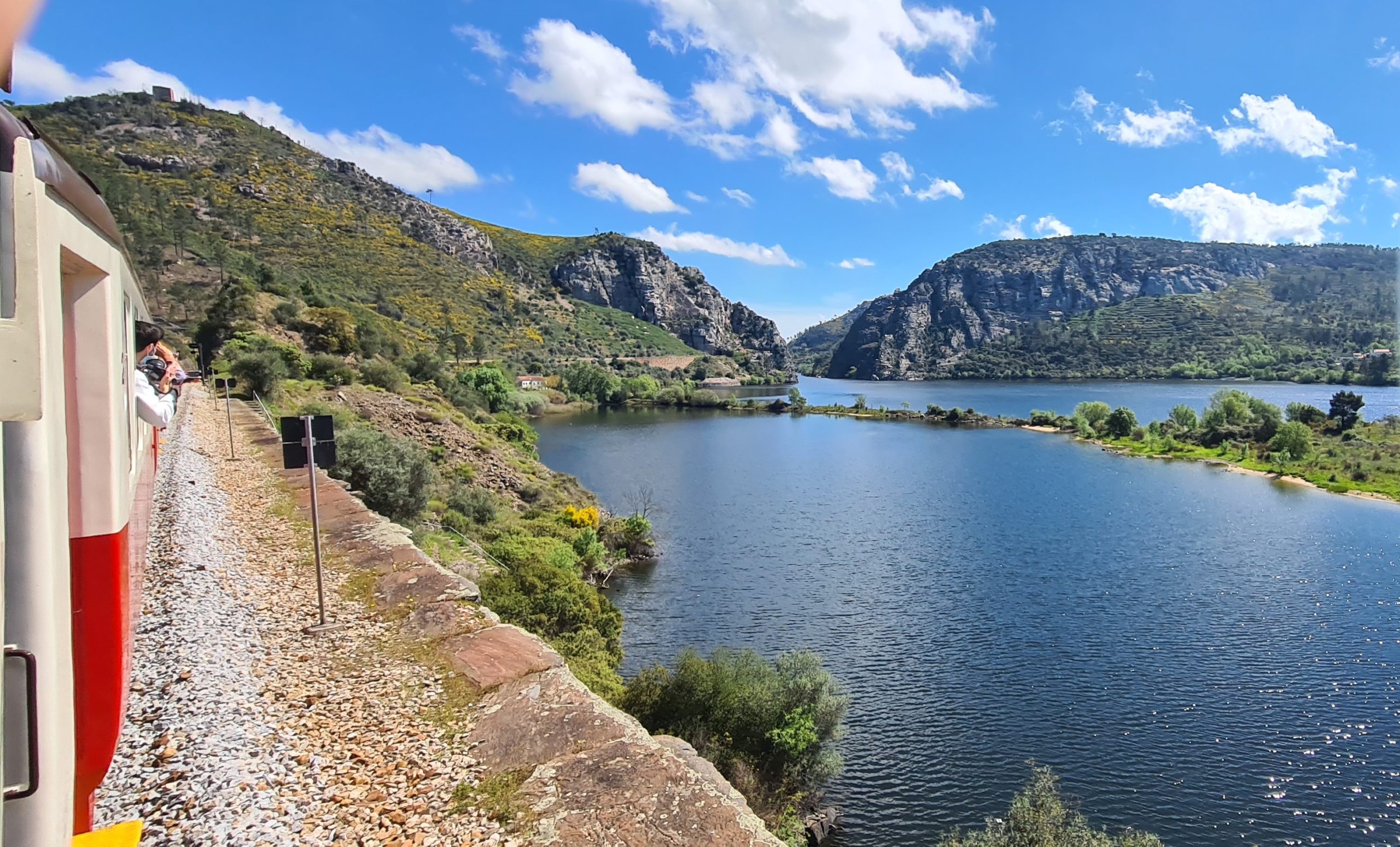
Tren antiguo Tagus (Portugal)
The objectives of this work package contribute to the project's broader goal of actively involving local communities in planning and decision-making processes. The ultimate aim is to strike a successful balance between the technical and economic factors that traditionally govern territorial policies, and the real expectations and needs of the public.
Additionally, these two specific objectives are fully aligned with the horizontal priority of “Common values, civic engagement, and participation.” As previously noted when justifying the project’s relevance, the heritage, economic, and socio-cultural values associated with rural communities must be viewed as a strong foundation for sustainable governance. These shared values require the commitment of all parties to ensure their preservation. A sustainable and sensible administration of these natural and cultural resources fundamentally relies on the active participation of the communities that inhabit and benefit from them.
For its part, the Handbook on governance models aims to serve as a definitive guide for local communities, public administrations, and railway management companies in their planning initiatives. These entities are, to a certain extent, active participants in this activity, as they both benefit from it and drive its application in the actual planning of rural territories across Europe. Provided it is adequately disseminated, this deliverable can reach hundreds of beneficiaries across Europe and even in non-EU regions.
Students' week in Florence

